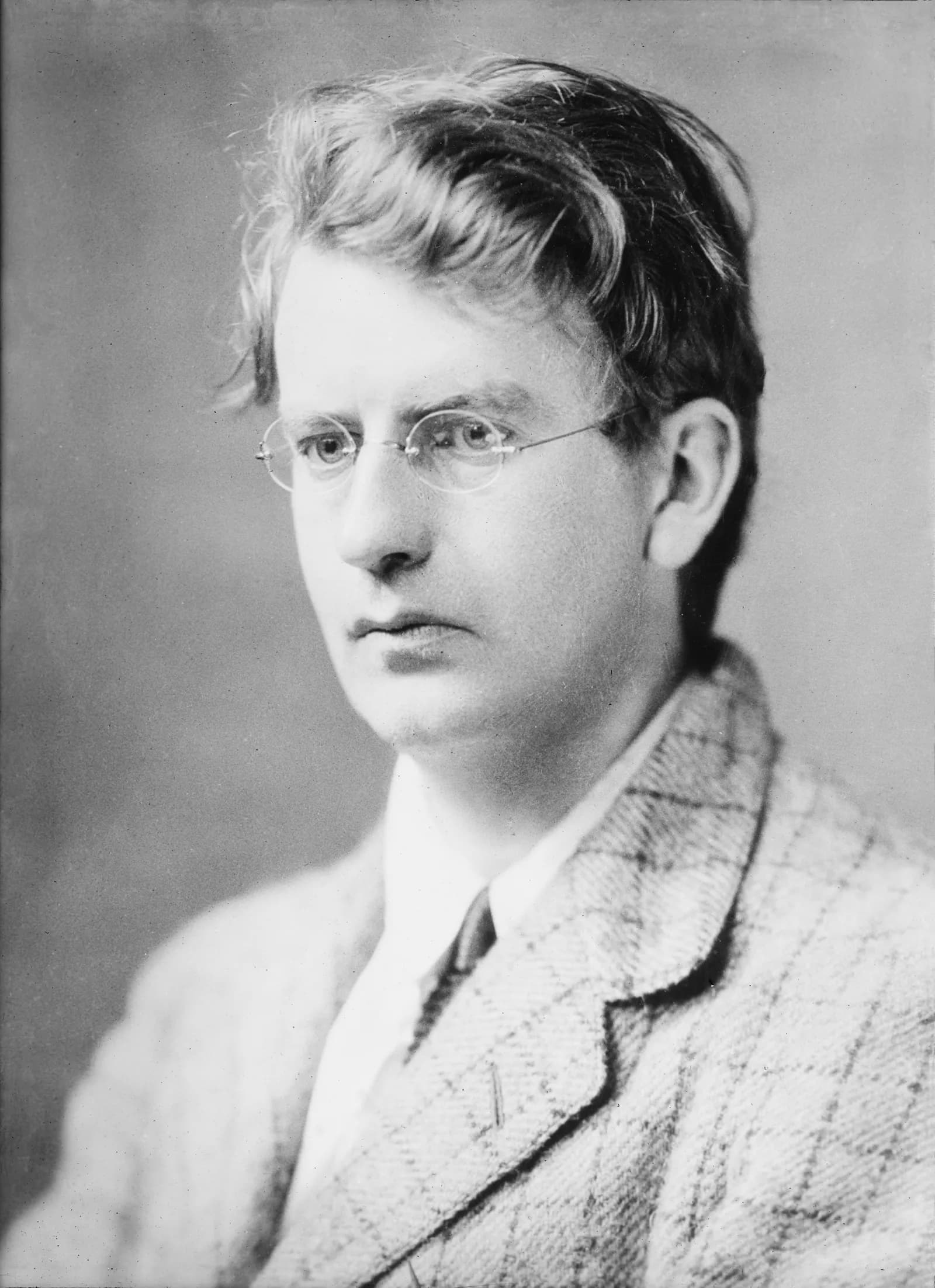
In the early 1920s, a sickly Scottish inventor arrived in Hastings seeking respite from ill health. Within two years, he had constructed the world's first working television set from household scraps in a seaside workshop, fundamentally altering how humanity would communicate.
From Frailty to Invention
John Logie Baird moved to Hastings in early 1923, drawn by the milder climate of England's south coast. His health had deteriorated to the point where he required rest and recuperation. He took up residence at 21 Linton Crescent and rented a workshop in Queen's Arcade, where he set about pursuing an obsession that had consumed him for years: transmitting moving images through the air.
The workspace was modest. Operating on limited funds, Baird assembled his apparatus from whatever materials came to hand. His first television prototype incorporated an old hatbox, scissors, darning needles, bicycle light lenses, a used tea chest, sealing wax, and glue. The Nipkow disk technology at the heart of his system was not new, but Baird's practical implementation proved revolutionary.
Breakthrough in Hastings
By February 1924, Baird had achieved a significant milestone. He demonstrated to the Radio Times that his semi-mechanical analogue television system could transmit moving silhouette images. The demonstration proved that television was not merely theoretical but achievable with existing technology.
The experiments were not without hazard. In July 1924, Baird received a 1,000-volt electric shock that left him with a burnt hand. The incident alarmed his landlord, who asked him to vacate the premises. Despite this setback, Baird continued his work in Hastings until late 1924, when he returned to London.
The Hastings Connection
Baird's time in Hastings represents a crucial, often overlooked chapter in the history of broadcasting. The breakthroughs achieved at 21 Linton Crescent and Queen's Arcade laid the groundwork for his famous public demonstration in London on 26 January 1926, when he transmitted the first recognisable television image of a human face.
Hastings provided the conditions, however inadvertently, for this leap forward. The town's quiet streets and sea air offered Baird the space to experiment without the pressures and costs of London. What began as a health retreat became the birthplace of a technology that would reshape the twentieth century.
A Local Legacy
The physical traces of Baird's Hastings experiments remain difficult to locate. Research into local archives and council records encountered significant gaps. Whether 21 Linton Crescent bears any plaque commemorating its role in television history, or what became of Queen's Arcade, requires verification from local historical sources.
What is established is that Hastings served as the laboratory where television became reality. The town's place in the story of human communication is secured, even if the specific sites where it happened have faded from immediate view.