A Hastings widower who lost his wife at 32 has created a free online memorial wall where people are remembered through something they genuinely said—and more than 200 voices have already found a place
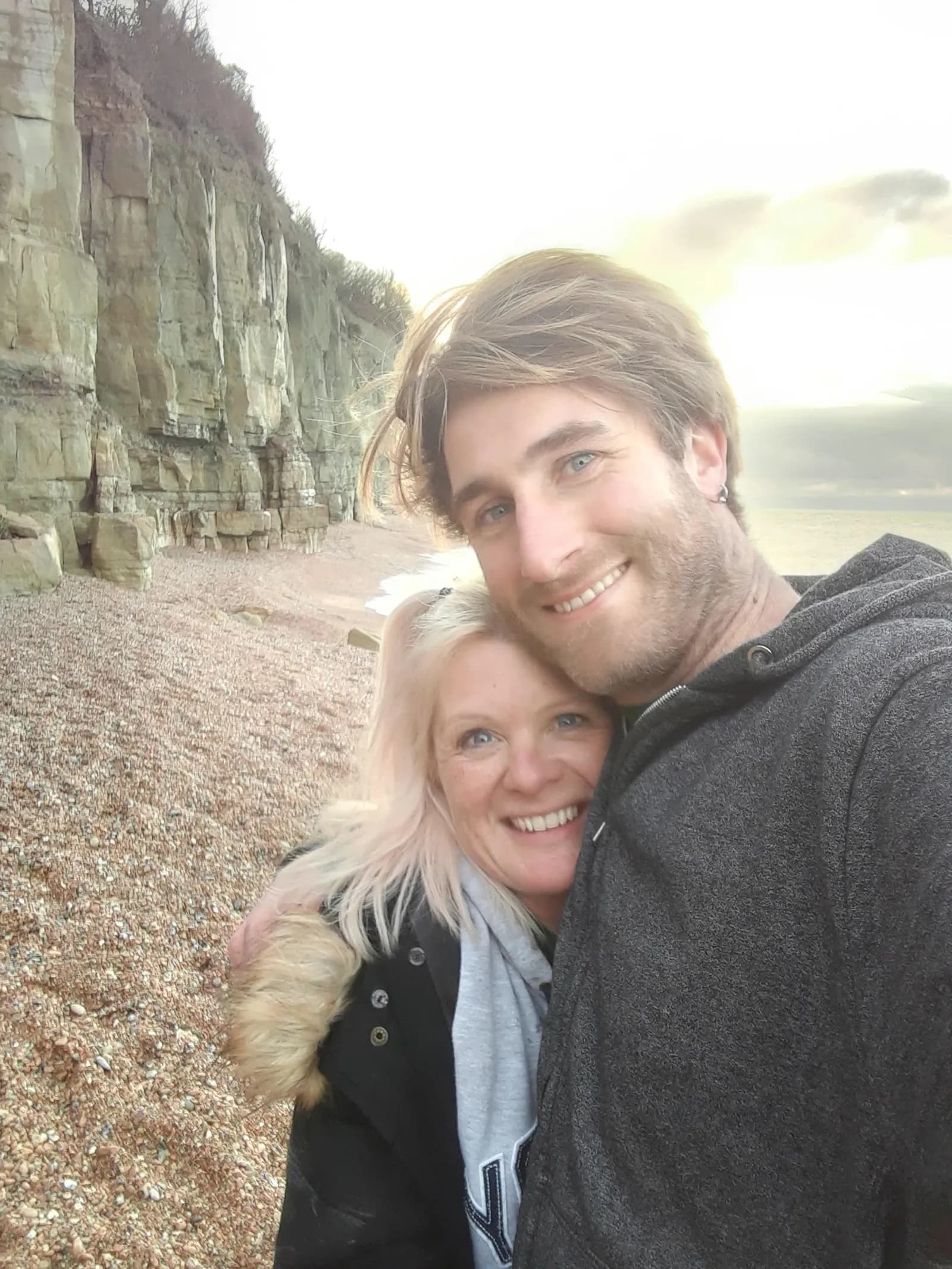
When Hastings tree surgeon Rob Hawes lost his wife, Rhonda, he was just 32.
As the years passed, Rob became troubled by the way a whole, funny and complicated person could slowly become reduced to the fact that she had died.
I didn’t want to preserve Rhonda’s death,” he says.
“I wanted to preserve some of her life.
That thought became Once Spoken, a free online memorial wall built around something remarkably simple: the words people leave behind.
Each person on the wall is represented by one photograph, their name, the years of their life and something they genuinely said.
It might be a favourite expression, a terrible joke, a piece of advice or a few ridiculous words their family can still hear in exactly the right voice.
These are not quotations written about somebody after their death. They are small pieces of the person themselves.
Meeting people by chance
Traditional online memorials are usually created for relatives and friends who already know the person’s name and where to find their page.
Once Spoken works differently.
Visitors are shown one person at random. There is no directory, ranking or need to search for somebody specific. A visitor might arrive to remember someone they love and, along the way, encounter a face they have never seen before.
They learn the person’s name, see their photograph and read something they once said. For a moment, a stranger knows a tiny piece of them.
Visitors can light a virtual candle before moving on to meet somebody else.
Being found by people who weren’t looking for you isn’t a side effect of Once Spoken,” Rob explains.
“It is the whole point.
“Rhonda isn’t only being remembered by the people who knew her. New people are still meeting a small part of her. I think there’s something a little magical about that.
From one Hastings story to hundreds of others
Once Spoken began as one widower’s attempt to preserve something of his wife’s personality. Since launching, it has grown to hold more than 200 memorials submitted by families around the country.
Some of the words are profound. Many are funny, ordinary or wonderfully strange. Together, they reveal far more of a person than a formal tribute ever could.
The project has also received a powerful response in local communities across the South East. People have shared photographs, told stories about those they miss and asked for parents, partners, relatives and friends to be added to the wall.
For Rob, every new submission reinforces the reason the project exists.
Death has a way of becoming the final headline of somebody’s life,” he says.
“But it isn’t the whole story. The things they said, the jokes they repeated and the way they made people feel—that is part of their life too.
Simple and equal
Every memorial submitted to Once Spoken is checked by a real person before it appears.
All memorials are presented in the same way. Nobody can buy a more prominent position, collect followers or move ahead of anybody else. One photograph, one name and one thing they said—the same for everyone.
Adding somebody is completely free. Visitors may choose to make an optional contribution towards the cost of running the independent project, but doing so does not change how a memorial is reviewed or displayed.
Once Spoken is not intended to tell the complete story of a life. Its purpose is smaller and, perhaps, more human: to preserve one recognisable fragment of somebody’s voice and allow it to reach people they never had the chance to meet.
If there is somebody whose voice you can still hear in your head, their words can be added at oncespoken.co.uk.
Once Spoken — preserving life, not death.